
I am working on doing some flipped videos for a class I missed on Monday and for a class I am teaching tomorrow on how to do critical reading and writing. I use a pretty standard text to teach critique. Why? Because my students need a scaffold until…they don’t. And that, if it happens ever, will be further down the road. They need have a ‘wheel’ they can roll down the road right now so I strive to give them one that is useful and…round. I am not trying to inculcate a new ‘5-paragraph’ theme in their heads. The whole purpose of this template is to get them to mesh their minds with the writer’s minds and then write with purpose for an audience. I know. Pretty standard rhetcomp, but I am adding a tech element tomorrow to see if it helps as they begin to write their own.
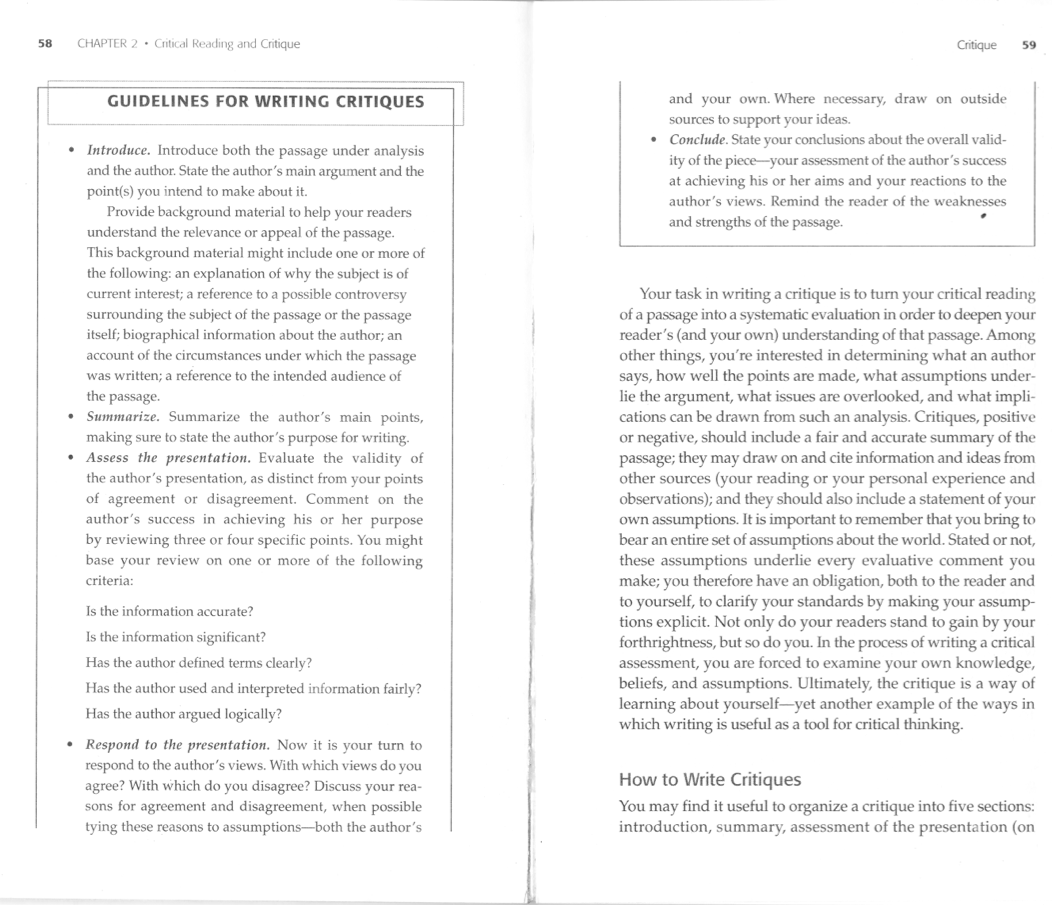
So much of the tech-perimenting I do rises from summer play in the fields of CLMOOC and other online spaces. I am grateful to those who inspired me to dig deep and play hard all summer. Here’s the text I drew from.
Here is how I reduced it using my Boogie Board, downloading it as a video, uploading to YouTube and messing about with it, filters and music.

And here it is reduced to a fill in the blank, slo-motion video on YouTube:

And the last iteration? Well, that is in their heads as they critique into the future. This might be old school/new tech and it might be unnecessary scaffolding in your classes, but my learners have needs that I am trying to address as they play catch up in their writing and reading.
Permalink //
Nice. What is your Boogie board? How did you make the first video.
Permalink //
Here is a boogieboard: http://www.myboogieboard.com/na/products/boogie-board-sync-9.html
They have a very handy Android app that hooks up to the board with bluetooth that allows you to download the image you create as a pdf, a jpg. or (and this is the coolest) an mp4.
Here is a special message just for you: https://youtu.be/4zUo9sB4zvQ