
Here is a poem I wrote:
Poetry is good
for marking
“phase changes ”
in the world
and for noting
liminal margins.
It is enough
to watch
and write
and having done
just mosey right along.
Then I wrote a prompt in Claude 3 politely saying hello and requesting that Claude 3 optimise a prompt for improving the poem
“Hi, Claude. Act as a prompt engineer. Review and optimize the following prompt for me: I am the poem’s author. Here is the poem.”
Claude responded with the following optimization:
Sure, I’d be happy to review and optimize the prompt you provided. Before I proceed, I have a few clarifying questions:
- What is the intended purpose or goal of this prompt? Is it for generating new poems, analyzing the provided poem, or something else?
- Are there any specific requirements or constraints that the optimized prompt should adhere to, such as a word limit, style, or tone?
- Are there any particular aspects of the prompt that you would like me to focus on or prioritize during the optimization process? For example, improving clarity, enhancing creativity, or ensuring coherence?
- Is there any additional context or information about the poem or the desired outcome that would be helpful for me to consider?
Please provide me with the necessary details, and I’ll use that information to optimize the prompt as effectively as possible.
I answer Claude’s questions as best I can.
1.This prompt is for analyzing my own poetry for clarity. 2. I want you to be a strong but firm critic if need arises. 3. I want to make sure figurative language is understandable so clarity is a goal, but only up to the point where you are not too proud of your explication. 4. I wrote the poem several years ago and it just surfaced again on my Readwise account.
Claude responded:
Got it, thank you for providing that additional context. Here’s my optimized prompt for analyzing your poem for clarity while maintaining a balanced critique:
“I am reviewing your poem from the perspective of a critical reader seeking clarity in the figurative language and overall meaning. My goal is to provide constructive feedback that highlights areas where the figurative devices or metaphors may need further explication to enhance understandability, without over-analyzing or dissecting the poem to the point where its essence is lost. Please share any background or intent behind specific lines or phrases that could aid in my analysis. I will aim to be a firm but respectful critic, offering suggestions for improvement where needed while also acknowledging the strengths and effective elements of your work.”
In this optimized prompt, I’ve:
- Clarified the goal of seeking clarity in figurative language and meaning.
- Stated my approach of providing constructive feedback and suggestions, while also acknowledging effective elements.
- Invited you to share any additional context or intent behind specific lines/phrases to aid in the analysis.
- Emphasized maintaining a balance between critique and preserving the essence of the poem.
- Committed to being a firm but respectful critic throughout the analysis.
Let me know if this revised prompt aligns with your expectations or if you would like me to modify anything further.
I invoke the prompt and get this response:
Sure, I’ll follow the optimized prompt to analyze your poem:
Overall, the poem seems to be making a broad statement about the purpose and simplicity of poetry. The opening lines present two metaphorical descriptions of what poetry is “good for” – marking phase changes in the world, and noting liminal (transitional) margins.
These figurative phrases could benefit from some further explication or examples to enhance clarity for the reader. What exactly does it mean for poetry to “mark phase changes in the world”? Is this referring to poetry’s ability to capture societal shifts, personal transformations, or something more specific? Providing a concrete example could ground this metaphor.
Similarly, the reference to “liminal margins” is evocative but somewhat abstract. Are you implying that poetry observes and documents the spaces in-between, the overlooked interstices of life? Again, an example to illustrate this concept could make it more accessible.
Moving on, the next few lines appear to be straightforward: “It is enough / to watch and write / and having done / just mosey / right / along.” This seems to suggest that the simple act of observing the world and capturing it through writing is sufficient for the poet. The informal phrase “just mosey along” reinforces the unhurried, unforced nature of this creative process.
One potential area for critique is the slightly abrupt transition from the opening metaphorical lines to this plainer statement of the poet’s approach. A smoother philosophical or thematic link between these two sections could create a more cohesive flow.
Overall, however, the poem effectively conveys a sense of poetry’s purpose and the poet’s humble, unassuming stance. The figurative language in the opening lines is thought-provoking, even if it could benefit from some grounding examples. And the closing lines encapsulate a refreshingly simple view of the writing process.
I hope this analysis provides a balanced critique that highlights areas for potential clarification while also acknowledging the strengths and effective elements of your work. Please let me know if you have any other context to share about the poem’s intent or if you would like me to expand on any part of the analysis.
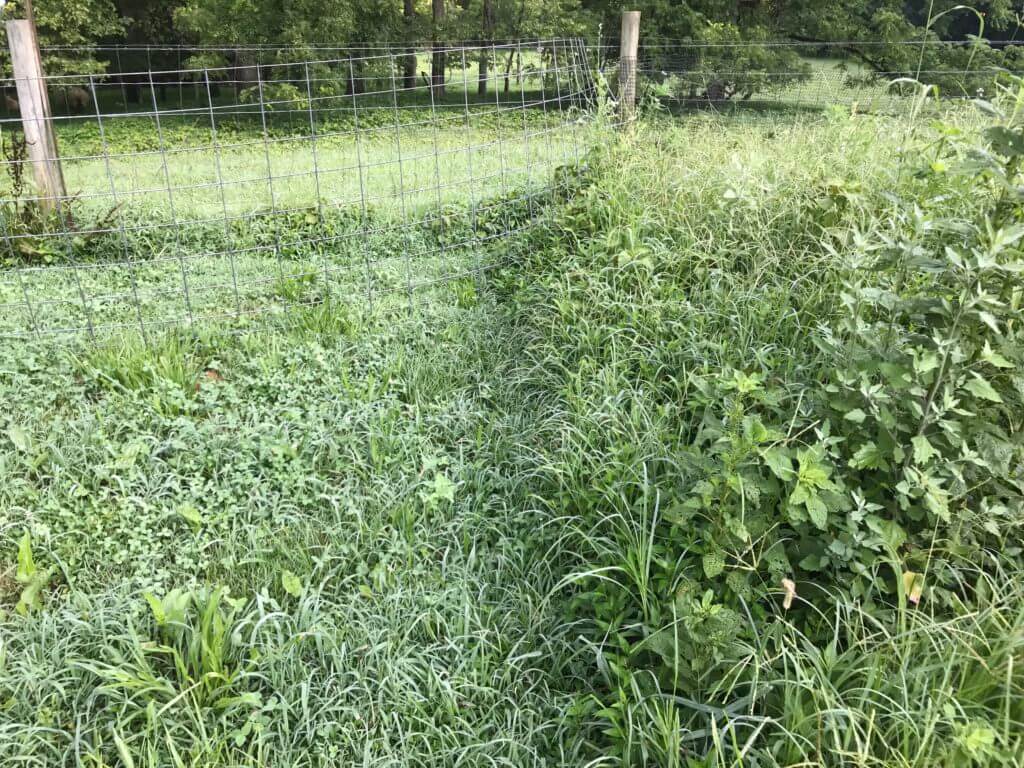
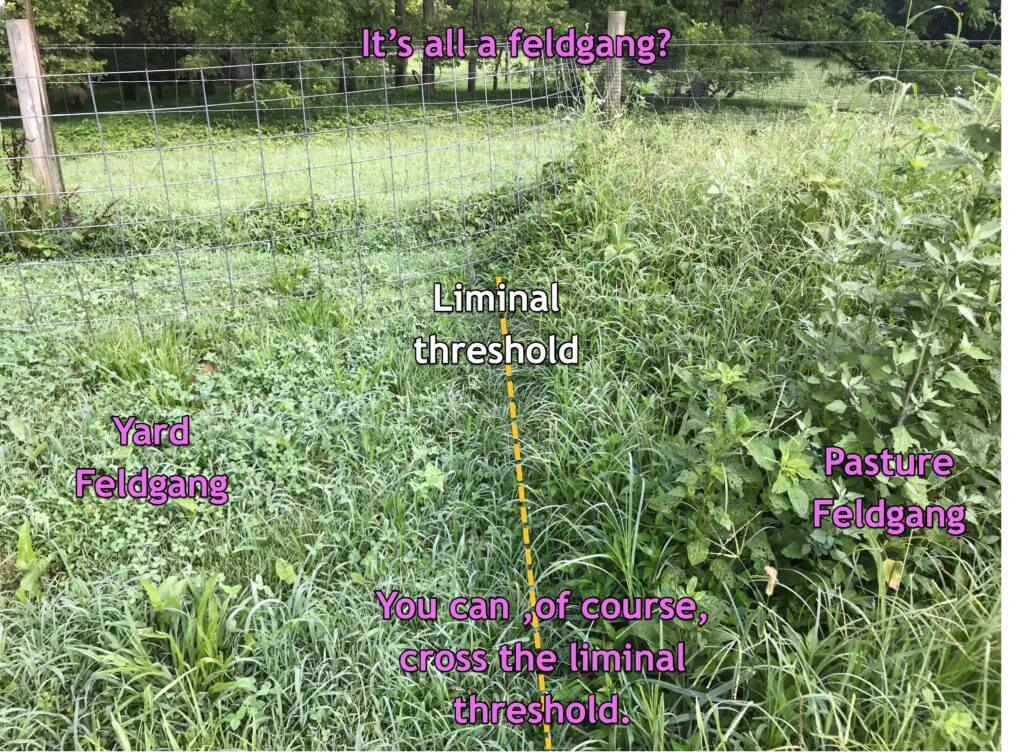
It might seem that this is a long drawn-out and fraught process. It isn’t. It takes me longer to format the “how I did it story” than to actually revise the poem. Here is my revised portion. I note that the poem itself is a concrete example of ‘phase change’ and ‘liminal margin’.
Poetry is good
for marking
phase changes
in the world
and for noting
liminal margins
[Please note the social annotation.]
[Please note the ‘turn’ in the poem, the phase change, from marking to doing.]
It is enough
to watch
and write
and having done
just mosey right along.[Please note the phase change here:
#clmooc #smallpoems]
Last, it occurred to me that Claude might revise the poem. I asked it to do that: Can you revise the poem following the suggestions you made?
Here’s my attempt at revising the poem to provide more clarity around the figurative language, while trying to maintain the original intent and voice:
Poetry is good
for capturing life’s rites of passage –
A child’s first steps, a nation’s rebirth.
It marks the phase changes.Poetry observes the forgotten spaces,
The quiet moments between milestones.
It notes each liminal margin
Before they fade from view.Yet it is enough
To simply watch and write,
Bearing witness to this world.
And having documented such truth,
The poet can mosey right along
Unencumbered, humble, complete.In this revised version, I’ve tried to:
1. Expand on “marking phase changes in the world” by giving concrete examples like “a child’s first steps” and “a nation’s rebirth” to ground that metaphor.
2. Clarify “noting liminal margins” by describing them as “the forgotten spaces” and “quiet moments between milestones” to make that image more accessible.
3. Maintain the simplicity and humble perspective of the closing lines about the poet’s approach.
4. Use line breaks and shorter phrases to create more white space and reinforce the unhurried, unforced tone.
5. Endeavor to remain true to the original poem’s voice and style as much as possible.
Of course, as the author, you may have different ideas for revising or your own examples to make the figurative language clearer. I’ve aimed to provide one interpretation, but please let me know if you’d like me to modify or expand the revision further based on your intentions for the piece.
I plan on revising. That is what poets do with the mercury that a poem is. We push around the blob of words until it makes a better blog. At least that is what I do.
Now I have a poetry protocol. The most important point to my prompt is simple–have a conversation with the AI. The liminal margin and phase change that occurs is all about asking and answering. In this case I asked Claude to optimize the original prompt and to ask questions about the prompt if it felt the need. It did. The final part where he revised and added, well…Claude doesn’t really know what a cliche is, but it does know the difference between concrete and abstract. That is amazing.
Permalink //
Scattering poems in the margins ..
Permalink //
Always grateful.